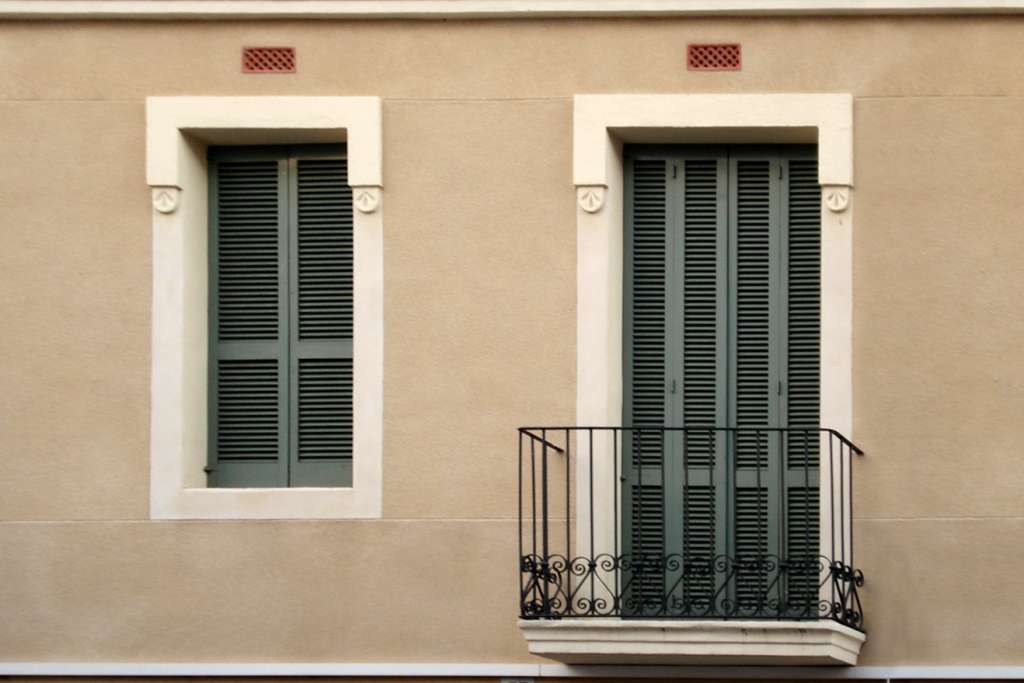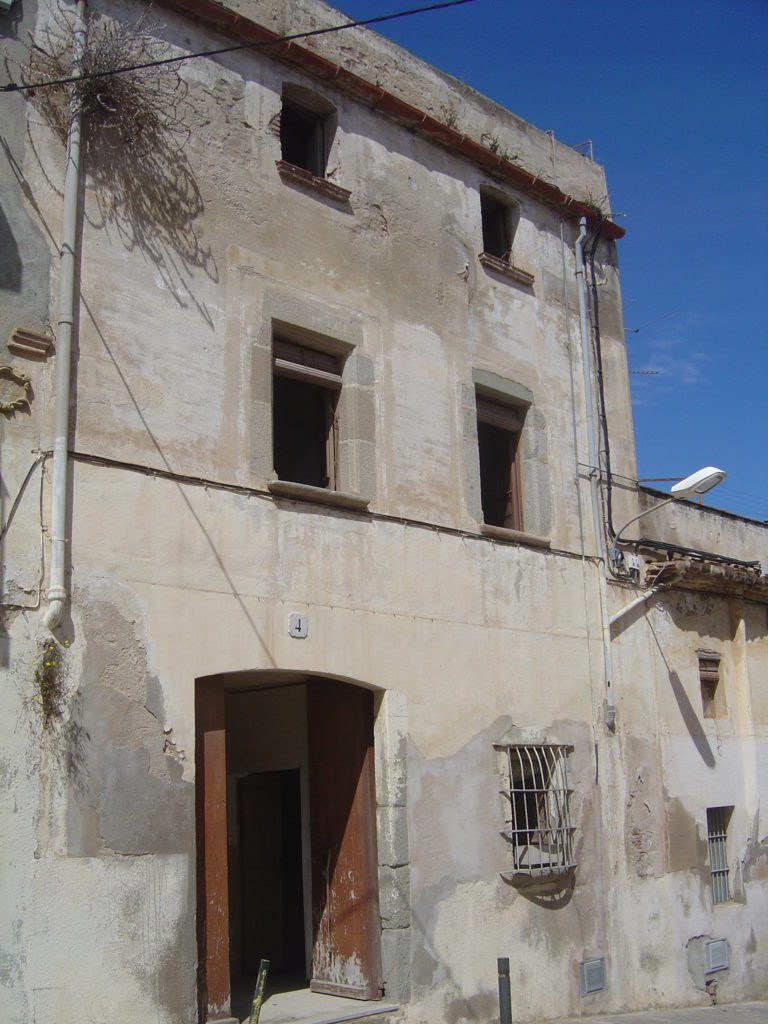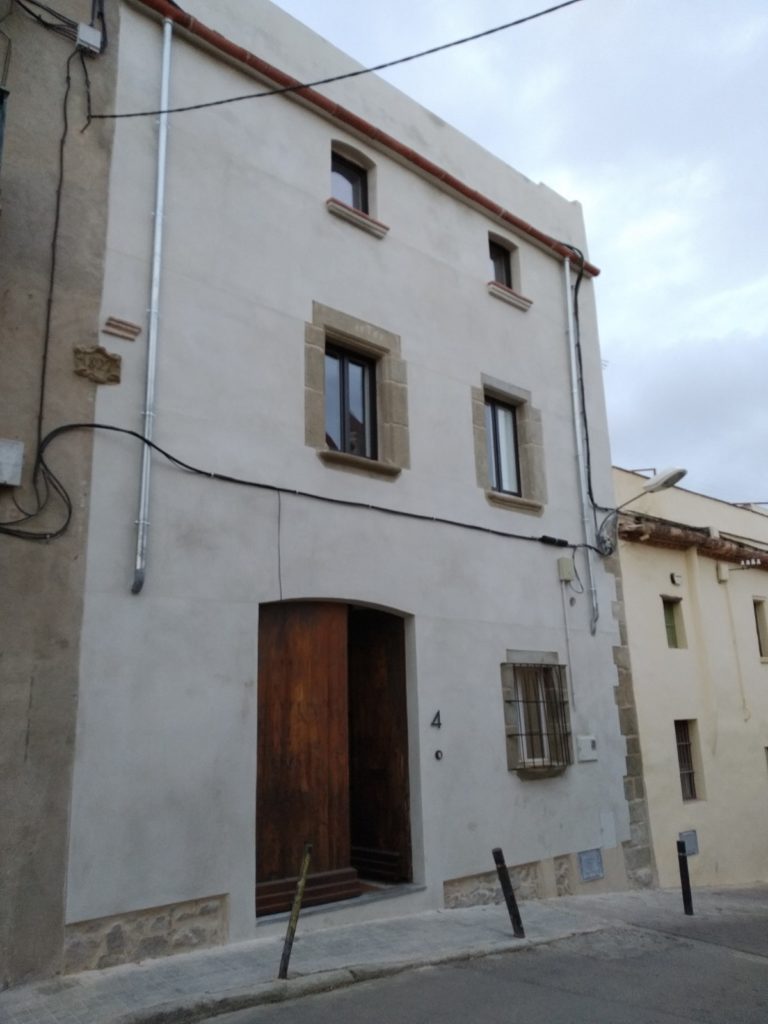
The use of lime as a binder for exterior and interior coatings has been a constant throughout the history of the different cultures and civilizations that have inhabited and still inhabit the Mediterranean.
In the city of Jericho (West Bank, Palestine) lime remains have recently been found that are 10,000 years old . In the first known civilization, Mesopotamia, lime was used in combination with mud as a coating for the walls of temples, water pipes, baths, cisterns, tombs or homes. It was also used in Cappadocia (Anatolia, Turkey) for coatings and frescoes ( the oldest known fresco was found here , 8,200 years old) . The Hittites used lime to coat the inside of the caves where they lived, thus consolidating the small landslides without losing the quality of transpiration necessary for the cave. The Egyptians used lime as a support for the paintings that appeared inside the pyramids. In most of the monuments of Greek culture, there are remains of polychromy made with lime mortar , mineral pigments and organic additives.
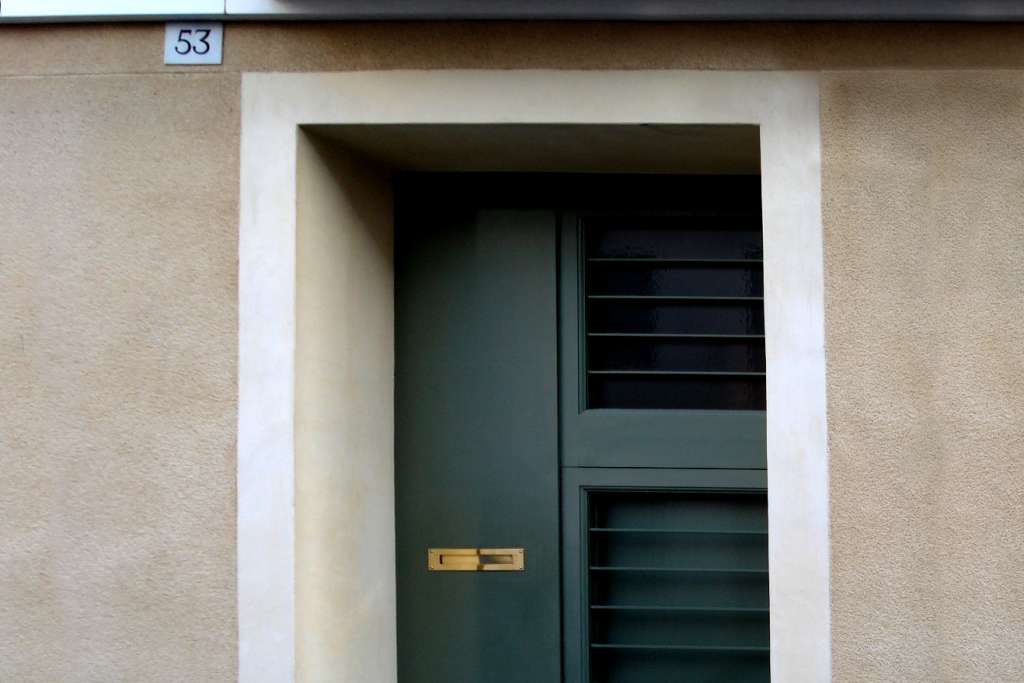
Facades decoration is firmly committed to artisanal trades , traditional procedures , materials that have been used ancestrally, finishes of great beauty, etc... That is why we have trained in the trade of lime plasterer , an ancestral trade that has survived to this day. It can be said that this artisanal trade has nourished the different cultures of the world and at the same time has been nourished by the different cultures and artisans that have practiced it.
From this moment we can offer any of the most practiced finishes as well as: Smoothed, scraped, bush-hammered, chiseled with a palette knife, imitation of stones, borders, sgraffito, etc... And we can also affirm that the results achieved with lime plaster have a decorative level and resistance to weathering, much superior to any of the plasters that have recently appeared on the market; and which are used so widely in new constructions. In addition to being less aggressive with the environment, both for its production and for its treatment, tinting and application.